
Building doors and Windows energy saving into the insulating glass era
Doors and Windows, as one of the four enclosure components that affect building energy consumption, are generally thin-walled lightweight components, which are the weak links of building thermal insulation, heat insulation and sound insulation. In particular, the thermal insulation performance is poor, which leads to the energy loss of buildings through four forms of radiation transfer, convection transfer, conduction transfer and air penetration. The energy loss of ordinary single-layer glass Windows accounts for more than 50% of the energy consumption of building insulation in winter and cooling in summer. Therefore, doors and Windows are the top priority to improve indoor thermal and light environment, whose performance directly determines the effect of building energy saving. Enhancing the thermal insulation performance of doors and Windows and reducing the energy consumption of doors and Windows are important steps to improve the quality of building thermal and light environment and achieve the goal of building energy conservation.
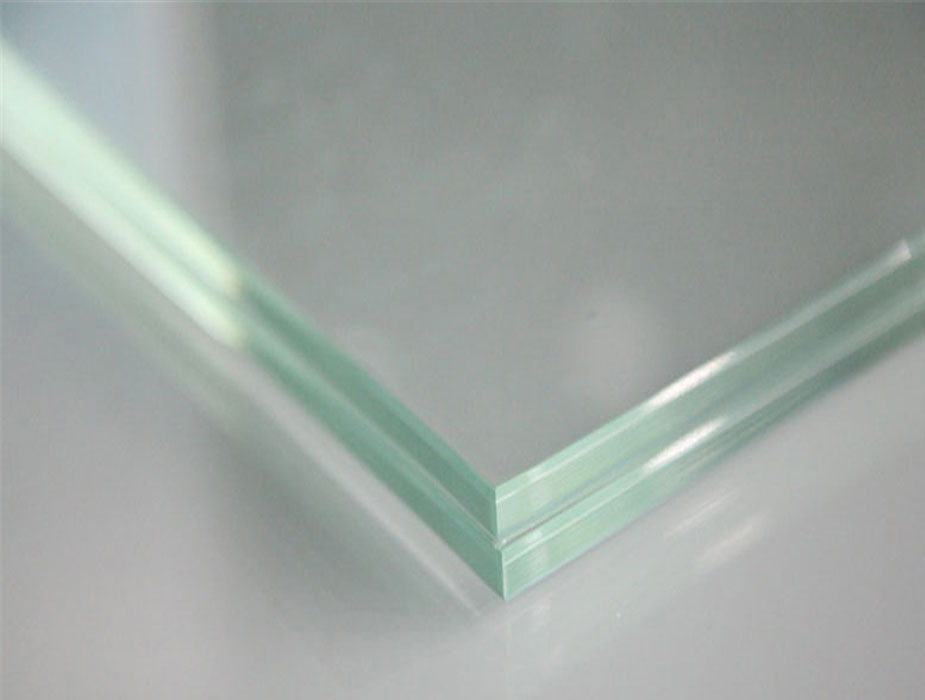
The heat preservation and insulation of doors and Windows are closely related to the material, structure and air tightness of glass, door and window frames. Building doors and Windows no matter what form, material should use glass, it accounts for more than 70% of the window glass area, so the energy saving of building doors and Windows should first consider the glass factor. This is why in Beijing, Tianjin, Shanghai and other big cities have issued local laws and regulations, vigorously promote and force the implementation of energy-saving buildings, but also the implementation of hollow, inflatable, low radiation glass without exception. Tempered laminated glass
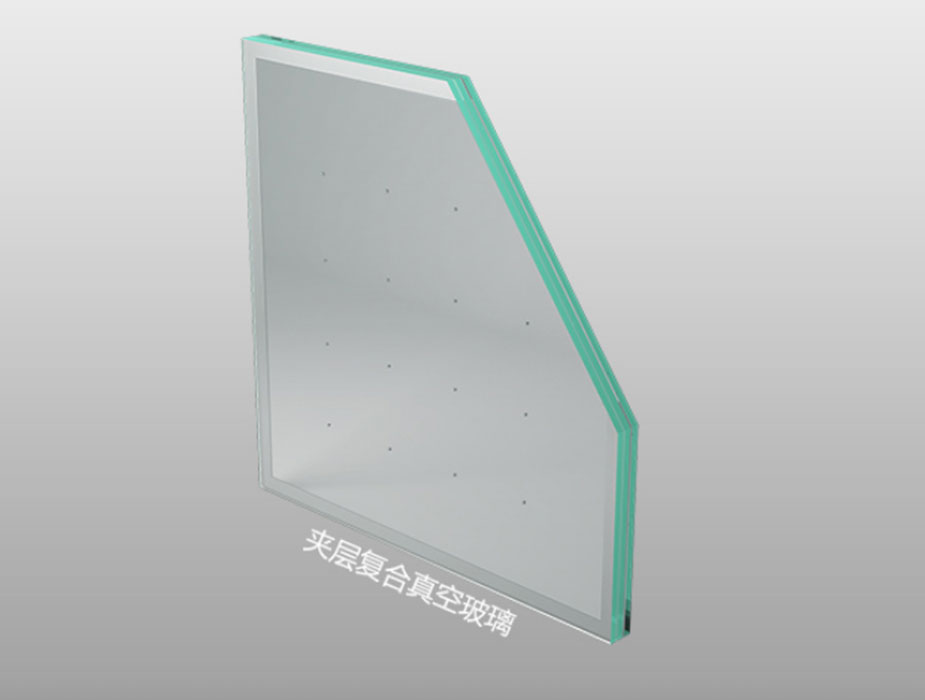
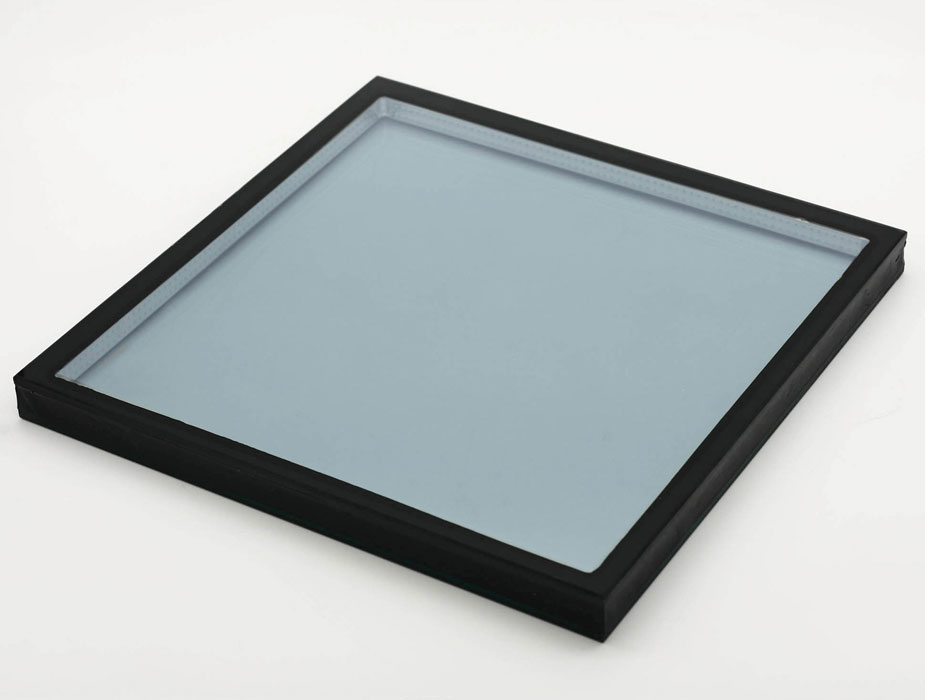
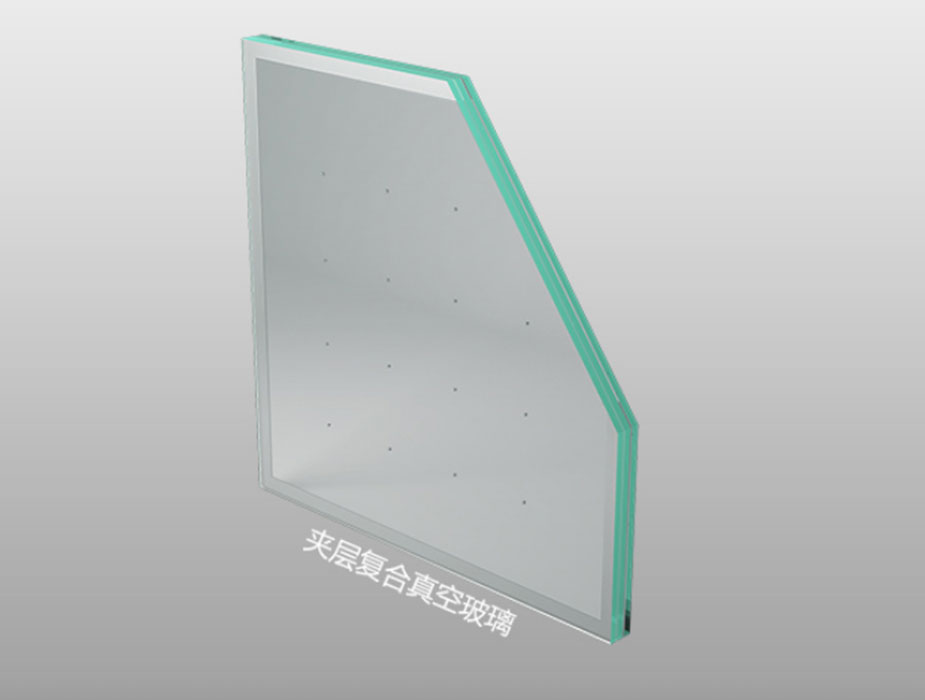
The popularization and use of insulating glass is a sign of the progress of The Times and the development of building energy saving situation. Insulating glass is sealed by two or more layers of glass, during which the layer is filled with inert gas with large viscosity coefficient and small thermal conductivity coefficient to reduce the convective heat transfer in the interlayer. The main index of its energy-saving characteristics -- heat transfer coefficient K (refers to the heat transfer through 1 square meter of insulating glass per unit time when the temperature difference between the two sides of the glass is 1°C under the condition of stable heat transfer. It is expressed as W/m2K. The lower the value of K, the better the insulation performance of insulating glass) is 2.7~3.3, while that of ordinary monolithic glass is 5.8.
Of course, if insulating glass can be matched with LOW-E or SUN-E glass, its thermal insulation performance is more prominent because of its excellent optical and thermal characteristics. Insulating glass has been widely popularized and applied in developed countries. In the US, the adoption rate has reached more than 83%. The German government does not approve the construction of buildings without insulating glass. Before the 1980s, the use of insulating glass in Germany amounted to 210 million square meters, saving energy costs of 5.2 billion marks. The penetration rate in European countries has reached 50%.
The Japanese government has stepped up efforts to reach 50% penetration. In South Korea, the penetration rate is closer to 90 percent. In view of the fact that the production technology of insulating glass has been quite mature, the actual use is widespread, the energy saving effect is obvious, and the investment is not increased much, so it is also reasonable to say that the energy saving of building doors and Windows has entered the era of insulating glass worldwide.

 400-996-9591
 +86 021-36300903
 www.leadglass.cn
 wayne@leadglaze.com
 上海市浦东新区鹤立西路88号