
The difference between insulating glass, laminated glass and ordinary double glass
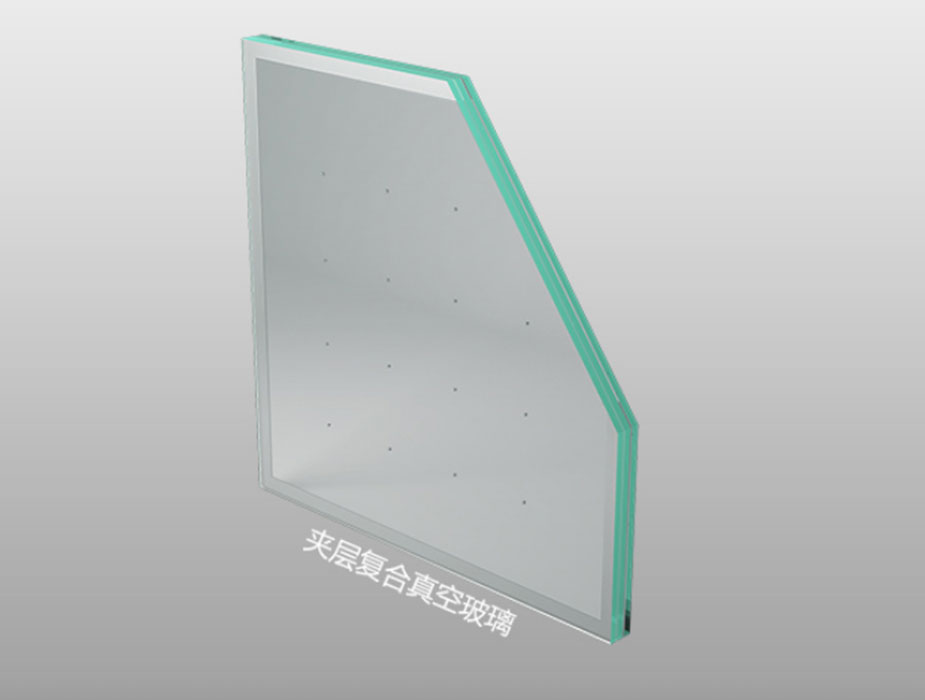
First of all, the three belong to the "multi-layer glass", its structure includes: double glass, vacuum glass and hollow glass three forms. Hollow laminated glass
The so-called double glazing is to replace the single piece of glass on the traditional doors and Windows with two pieces of glass. Because the air layer between the two pieces of glass is not sealed with effective sealing materials, which leads to a large amount of dust, water and gas is very easy to enter between the two pieces of glass, so double glazing is restricted in the construction of the product.
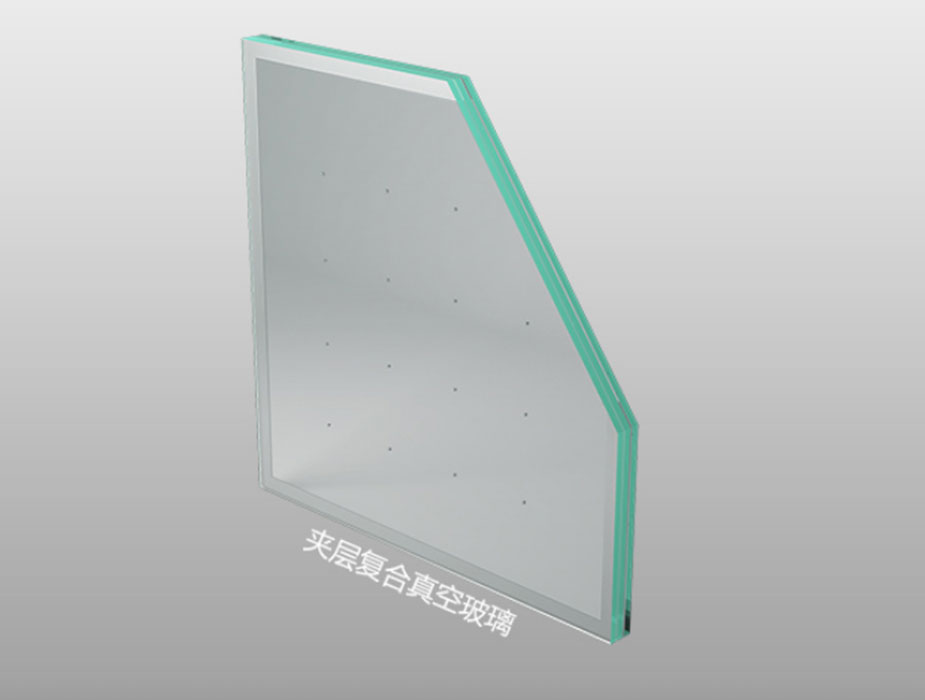
The so-called vacuum glass, as the name implies, is the space layer between the two pieces of glass for vacuum state, which greatly reduces the thermal conductivity of the glass product; However, as the production process of vacuum glass is very complicated, it cannot achieve large-scale industrial production, and the price is high, so it is rarely used in ordinary residential buildings.
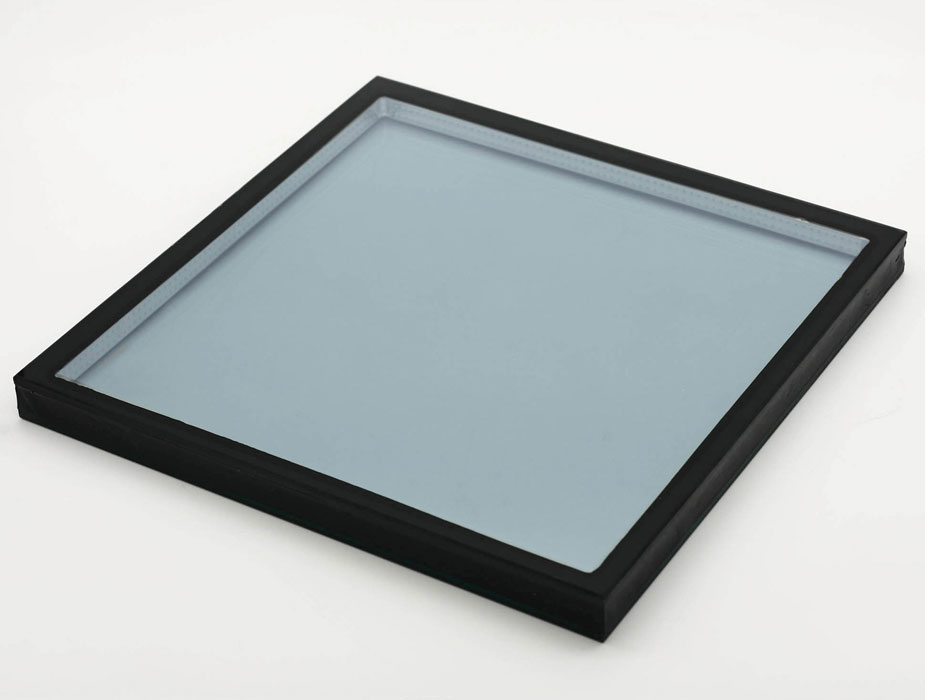
The so-called insulating glass is to separate the two pieces of glass by effective sealing materials and spacer materials, and there is a desiccating agent for absorbing water and gas between the two pieces of glass, so as to ensure that the insulating glass is a dry air layer for a long time, without water, gas and dust. At the same time, insulating glass is easy to carry out large-scale industrial production, so insulating glass is widely recommended in new buildings.
The difference between laminated glass and insulating glass
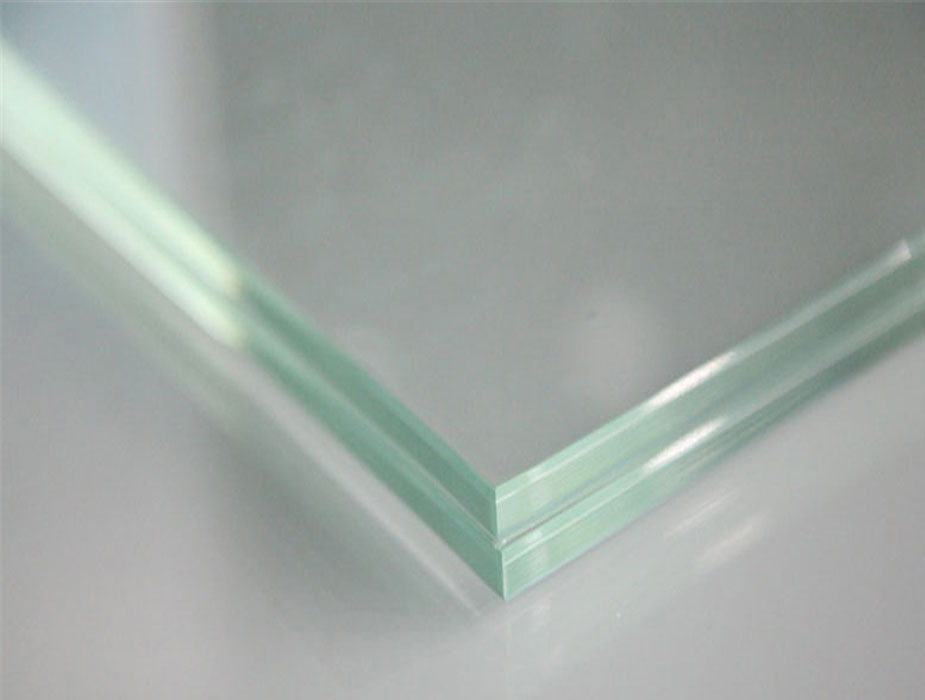
1. Laminated glass is a layer of PVB intermediate film sandwiched between two pieces of glass. Even if the glass breaks, the pieces will stick to the film, and the surface of the broken glass will remain clean and smooth. This effectively prevents the splinter injury and penetration fall event, to ensure personal safety.
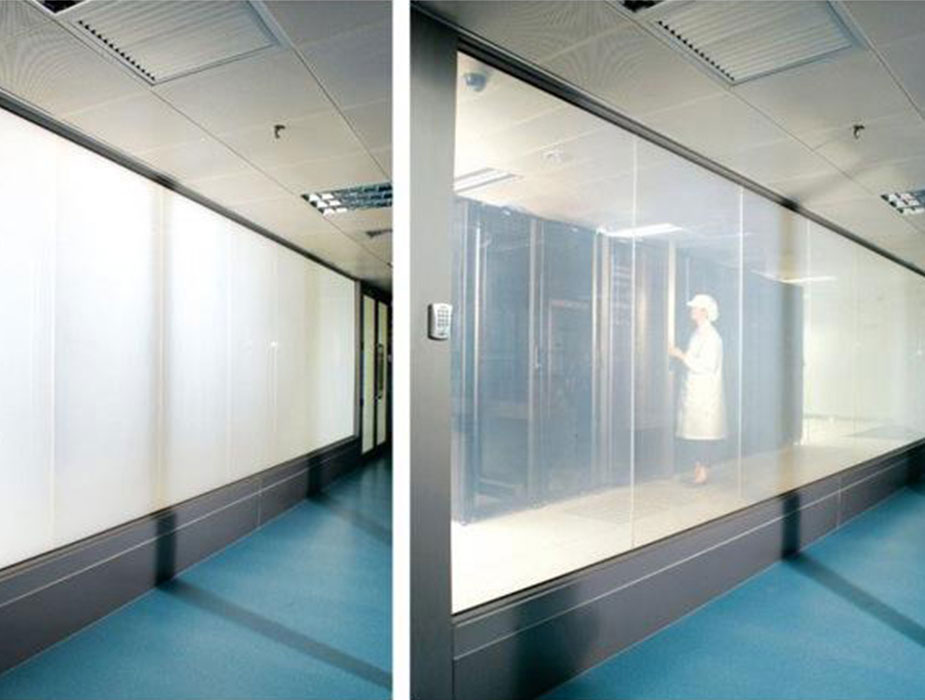
2. There is a certain cavity between the glass and the glass of the hollow glass. Therefore, it has good performance of heat preservation, heat insulation and sound insulation. If the glass is filled with a variety of diffused light materials or dielectric, better sound control, light control, heat insulation and other effects can be obtained.
The difference between insulating glass and ordinary double glazing
Hollow glass is made of two or more pieces of plate glass, separated by the surrounding space frame and sealed with sealant, so that the glass layer has dry gas space between the glass products. It should be noted that the edge of the insulating glass is strictly sealed with sealant, and the cavity of the insulating glass is filled with dry air or inert gas. The part of the gas is sealed in the cavity for a long time, and it cannot be convective with the outside air. Therefore, the heat on both sides of the insulating glass will not take away the heat because of the convection of the gas between the glass. On the other hand, air is a poor conductor of heat, and two layers of glass separated by sealed gases have little heat transfer to each other, thus playing a good role in insulation. In addition, when there is a large temperature difference between the two sides of insulating glass, because a piece of glass only feels the temperature of one side, the two surfaces of a single piece of glass will not have a large temperature difference. Therefore, when the temperature difference between inside and outside the insulating glass is not particularly large (≥100℃), frost and dew will not occur. In addition, it needs to be explained that hollow glass is not vacuum glass, and the pressure of the gas in the cavity of hollow glass is basically the same as that of the outside world, otherwise it is very easy to cause glass breakage.
First of all, the three belong to the "multi-layer glass", its structure includes: double glass, vacuum glass and hollow glass three forms. Hollow laminated glass
The so-called double glazing is to replace the single piece of glass on the traditional doors and Windows with two pieces of glass. Because the air layer between the two pieces of glass is not sealed with effective sealing materials, which leads to a large amount of dust, water and gas is very easy to enter between the two pieces of glass, so double glazing is restricted in the construction of the product.
The so-called vacuum glass, as the name implies, is the space layer between the two pieces of glass for vacuum state, which greatly reduces the thermal conductivity of the glass product; However, as the production process of vacuum glass is very complicated, it cannot achieve large-scale industrial production, and the price is high, so it is rarely used in ordinary residential buildings.
The so-called insulating glass is to separate the two pieces of glass by effective sealing materials and spacer materials, and there is a desiccating agent for absorbing water and gas between the two pieces of glass, so as to ensure that the insulating glass is a dry air layer for a long time, without water, gas and dust. At the same time, insulating glass is easy to carry out large-scale industrial production, so insulating glass is widely recommended in new buildings.
The difference between laminated glass and insulating glass
1. Laminated glass is a layer of PVB intermediate film sandwiched between two pieces of glass. Even if the glass breaks, the pieces will stick to the film, and the surface of the broken glass will remain clean and smooth. This effectively prevents the splinter injury and penetration fall event, to ensure personal safety.
2. There is a certain cavity between the glass and the glass of the hollow glass. Therefore, it has good performance of heat preservation, heat insulation and sound insulation. If the glass is filled with a variety of diffused light materials or dielectric, better sound control, light control, heat insulation and other effects can be obtained.
The difference between insulating glass and ordinary double glazing
Hollow glass is made of two or more pieces of plate glass, separated by the surrounding space frame and sealed with sealant, so that the glass layer has dry gas space between the glass products. It should be noted that the edge of the insulating glass is strictly sealed with sealant, and the cavity of the insulating glass is filled with dry air or inert gas. The part of the gas is sealed in the cavity for a long time, and it cannot be convective with the outside air. Therefore, the heat on both sides of the insulating glass will not take away the heat because of the convection of the gas between the glass. On the other hand, air is a poor conductor of heat, and two layers of glass separated by sealed gases have little heat transfer to each other, thus playing a good role in insulation. In addition, when there is a large temperature difference between the two sides of insulating glass, because a piece of glass only feels the temperature of one side, the two surfaces of a single piece of glass will not have a large temperature difference. Therefore, when the temperature difference between inside and outside the insulating glass is not particularly large (≥100℃), frost and dew will not occur. In addition, it needs to be explained that hollow glass is not vacuum glass, and the pressure of the gas in the cavity of hollow glass is basically the same as that of the outside world, otherwise it is very easy to cause glass breakage.

 400-996-9591
 +86 021-36300903
 www.leadglass.cn
 wayne@leadglaze.com
 上海市浦东新区鹤立西路88号